
3 John
The Bible's shortest book: three men, one church squabble, and the joy of children walking in truth
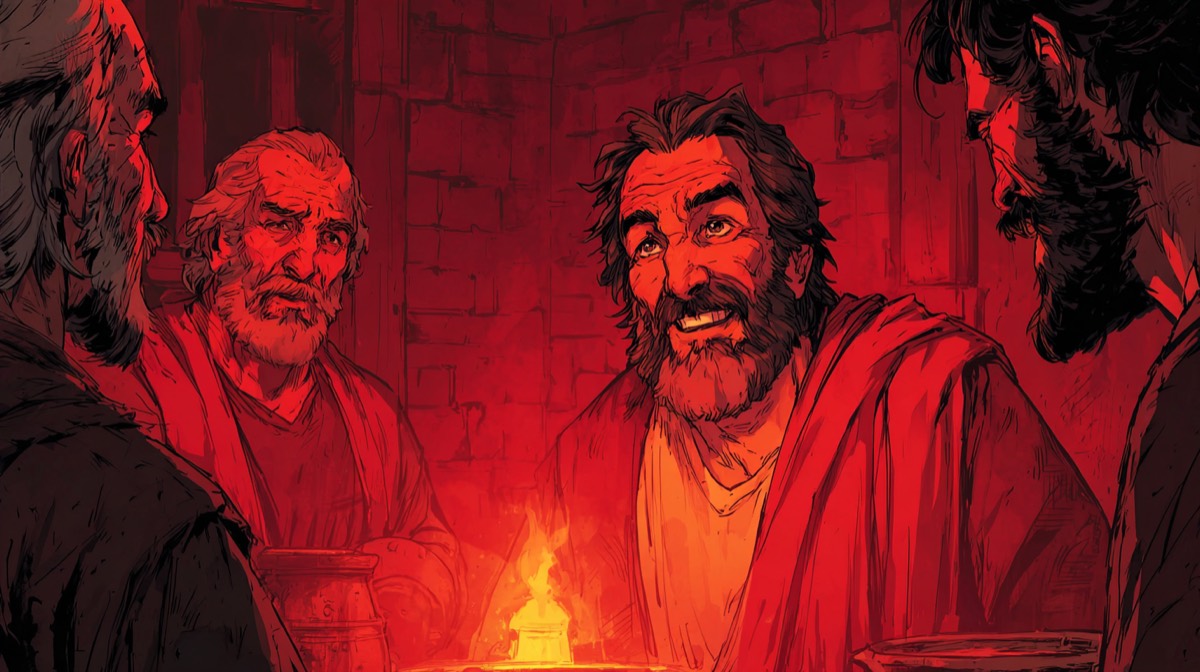
3 John at a glance
The Bible's shortest book: three men, one church squabble, and the joy of children walking in truth
Third John is the shortest book in the Bible by word count -- a single chapter of fourteen verses, traditionally attributed to the apostle John, who again calls himself simply 'the elder.' Unlike 2 John's letter to a lady or church, this is a personal note to one man, 'the wellbeloved Gaius,' whom John loves in the truth. It gives a rare, candid snapshot of life in an early congregation: traveling missionaries, the hosts who supported them, and a local leader who refused to.
John opens by wishing Gaius health and prosperity 'even as thy soul prospereth,' and declares he has no greater joy than to hear that his children walk in truth. He commends Gaius for faithfully receiving the brethren who went forth 'for his name's sake,' taking nothing of the Gentiles; helping such men makes one a fellowhelper to the truth. Then comes the shadow: Diotrephes, 'who loveth to have the preeminence,' rejects John's letter, prates against him with malicious words, and casts out of the church those who would receive the brethren. By contrast, Demetrius has good report of all men.
Third John matters as a miniature portrait of Christian character: follow not that which is evil, but that which is good. Its two named church men -- generous Gaius and domineering Diotrephes -- still stand as the two ways to hold influence in God's house.
Beloved, I wish above all things that thou mayest prosper and be in health, even as thy soul prospereth.
3 John 1:2 King James Version
Explore 3 John
How 3 John unfolds
6 sections- 1Greeting to Gaius (vv. 1-2)The elder writes to the wellbeloved Gaius, wishing that he may prosper and be in health even as his soul prospers.
- 2Joy in children walking in truth (vv. 3-4)Brethren testified of the truth in Gaius; John has no greater joy than to hear that his children walk in truth.
- 3Gaius commended for hospitality (vv. 5-8)Gaius faithfully receives the brethren and strangers who went forth for Christ's name, taking nothing of the Gentiles; receiving such men makes believers fellowhelpers to the truth.
- 4Diotrephes rebuked (vv. 9-10)Diotrephes, who loves to have the preeminence, rejects John, prates with malicious words, refuses the brethren, and casts out those who would receive them; John will remember his deeds if he comes.
- 5Follow the good; Demetrius commended (vv. 11-12)Follow not that which is evil, but that which is good; Demetrius has good report of all men, and of the truth itself.
- 6Closing (vv. 13-14)John has many things to write but hopes to speak face to face shortly; peace, and greetings from and to the friends by name.
People to know
4 figures- John ('the elder')The traditional author, writing a warm personal note with an apostolic edge toward a rebellious leader.
- GaiusThe wellbeloved recipient, praised for walking in truth and for generous hospitality to traveling brethren.
- DiotrephesThe church man who 'loveth to have the preeminence,' rejects John's authority, and casts out those who receive the brethren.
- DemetriusA believer with good report of all men, and of the truth itself -- likely the letter's carrier.
Words worth carrying with you
Beloved, I wish above all things that thou mayest prosper and be in health, even as thy soul prospereth.
3 John 1:2 · KJV
I have no greater joy than to hear that my children walk in truth.
3 John 1:4 · KJV
Beloved, follow not that which is evil, but that which is good. He that doeth good is of God: but he that doeth evil hath not seen God.
3 John 1:11 · KJV
The whole book, on video
The full narrated quiz - timed, illustrated, and made for playing together.
Think you know 3 John?
18 questions from the King James Version, all ages welcome. Keep score, then challenge a friend or your whole group.
Leading a group? Download the free printable 3 John quiz pack (PDF) - questions, answer key with verses, and a score sheet.
Large Print Bible Word Search
100 Large Print Scripture Puzzles for Adults & Seniors
Love 3 John? Take the Word with you — large-print KJV puzzles, with a free printable sample.
See the book →