
Leviticus
God's handbook of holiness: how a sinful people can live in the presence of a holy God
Leviticus at a glance
God's handbook of holiness: how a sinful people can live in the presence of a holy God
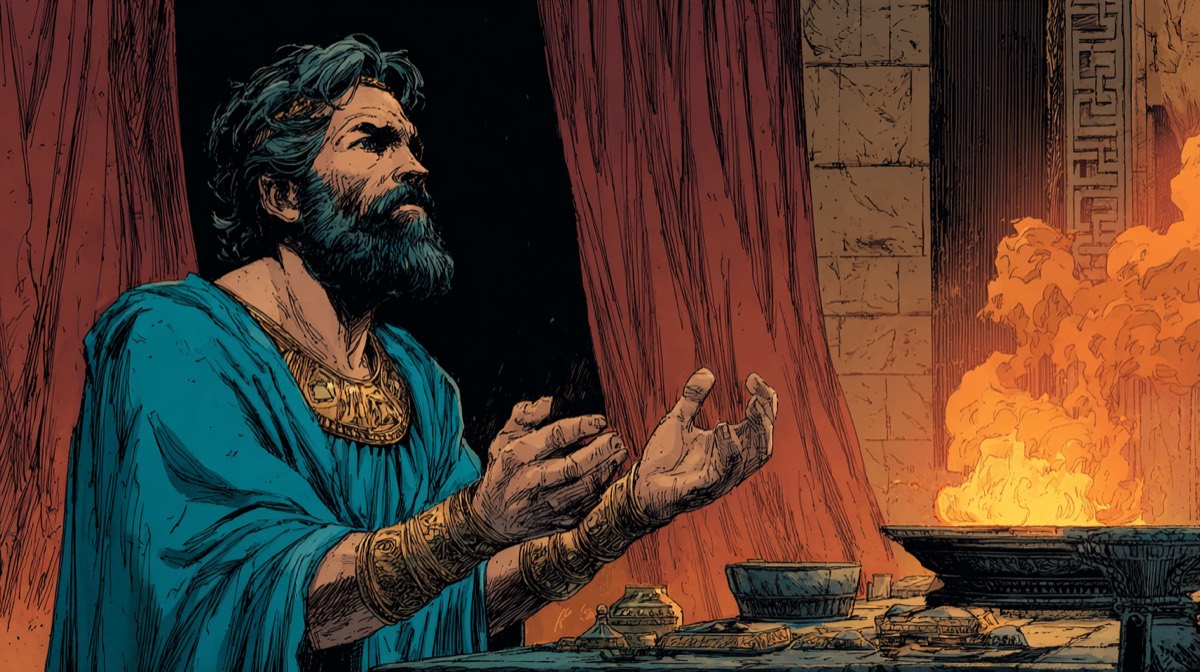
Leviticus is the third book of the Bible, traditionally attributed to Moses and named for the tribe of Levi, Israel's priestly tribe. It picks up the moment Exodus ends: the tabernacle is built and God's glory has filled it - but how can sinful people safely live with a holy God in their midst? Nearly the whole book is God speaking to Moses from the tabernacle, giving Israel the sacrifices, priesthood, and laws that make fellowship with him possible. It is less a story than a covenant manual, yet it sits at the very heart of the Pentateuch.
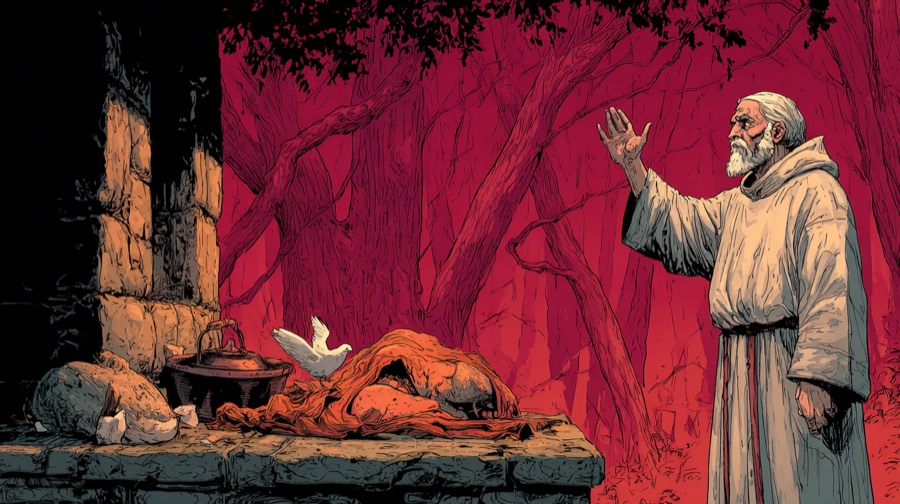
The book opens with the five great offerings - burnt, grain, peace, sin, and trespass - then narrates the ordination of Aaron and his sons, interrupted by the shocking death of Nadab and Abihu for offering strange fire. Laws on clean and unclean foods, disease, and purity follow, climaxing in the Day of Atonement, when the high priest enters the holiest place and the scapegoat carries Israel's sins away. The closing 'holiness code' applies holiness to everyday life - including the command to love your neighbour as yourself - and ends with blessings, warnings, and the year of jubilee.
Leviticus matters because it takes both sin and grace seriously: atonement requires blood, yet God himself provides the way. Its refrain - be holy, for I am holy - still defines God's people, and its sacrifices form the vocabulary the New Testament uses to explain the death of Christ.
For the life of the flesh is in the blood: and I have given it to you upon the altar to make an atonement for your souls: for it is the blood that maketh an atonement for the soul.
Leviticus 17:11 King James Version
Explore Leviticus
How Leviticus unfolds
7 sections- 1The five offerings (ch. 1-7)God prescribes the burnt, grain, peace, sin, and trespass offerings, teaching Israel how sinful people approach a holy God through sacrifice.
- 2The priesthood begins (ch. 8-10)Aaron and his sons are consecrated and the first sacrifices are offered, but Nadab and Abihu die for offering strange fire before the LORD.
- 3Clean and unclean (ch. 11-15)Laws distinguish clean and unclean animals, childbirth, skin disease, and bodily issues, training Israel to distinguish the holy from the common in daily life.
- 4The Day of Atonement (ch. 16)Once a year the high priest enters the holy of holies with blood for the people's sins, and the scapegoat bears their iniquities away into the wilderness.
- 5Blood, sacrifice, and conduct (ch. 17-20)Because the life of the flesh is in the blood, sacrifice belongs at the tabernacle alone; laws on moral conduct follow, including loving your neighbour as yourself.
- 6Holy priests and holy times (ch. 21-25)Standards for priests and offerings lead into the calendar of feasts - Passover, Pentecost, Trumpets, the Day of Atonement, Tabernacles - plus the sabbath year and the jubilee.
- 7Blessings, curses, and vows (ch. 26-27)God sets before Israel blessing for obedience and judgment for rebellion, with a promise to remember his covenant, and the book closes with laws about vows and things devoted to the LORD.
People to know
4 figures- MosesThe mediator who receives all these laws from God at the tabernacle and delivers them to Israel.
- AaronIsrael's first high priest, consecrated with his sons to offer sacrifice and enter God's presence for the people.
- Nadab and AbihuAaron's sons, struck dead for offering strange fire, a sober warning that God must be treated as holy.
- Eleazar and IthamarAaron's surviving sons, who carry on the priestly service after their brothers' deaths.
Words worth carrying with you
For the life of the flesh is in the blood: and I have given it to you upon the altar to make an atonement for your souls: for it is the blood that maketh an atonement for the soul.
Leviticus 17:11 · KJV
Speak unto all the congregation of the children of Israel, and say unto them, Ye shall be holy: for I the LORD your God am holy.
Leviticus 19:2 · KJV
Thou shalt not avenge, nor bear any grudge against the children of thy people, but thou shalt love thy neighbour as thyself: I am the LORD.
Leviticus 19:18 · KJV
The whole book, on video
The full narrated quiz - timed, illustrated, and made for playing together.
Think you know Leviticus?
90 questions from the King James Version, all ages welcome. Keep score, then challenge a friend or your whole group.
Leading a group? Download the free printable Leviticus quiz pack (PDF) - questions, answer key with verses, and a score sheet.
100 Roots in Scripture
Every verse in its own language, in its own place
Love Leviticus? Go one layer down — a hundred verses traced word by word through the Greek and Hebrew behind them.
See the book →